If you’ve ever tried cannabis edibles or are considering them for the first time, one of the most important questions you’ll ask is: how long do cannabis edibles take to work? The answer isn’t as straightforward as you might hope, but understanding the timeline can help you avoid common mistakes and ensure a safe, enjoyable experience.
Cannabis edibles typically take anywhere from 30 minutes to 2 hours to kick in, with effects peaking around 2 to 3 hours after consumption. This delayed onset is drastically different from smoking or vaping, where effects appear within minutes. The key to a positive edible experience is patience, proper dosing, and understanding the factors that influence how your body processes these products.
Why Edibles Take Longer Than Other Cannabis Products
When you consume a cannabis edible, it embarks on a journey through your digestive system before you feel any effects. This process is fundamentally different from inhalation methods and explains the delayed onset time.
After eating an edible, it travels to your stomach where digestion begins. From there, the cannabinoids are absorbed through your intestinal walls and enter your bloodstream. Next, they travel to your liver, where THC undergoes a transformation into a more potent compound called 11-hydroxy-THC. This metabolite is actually more psychoactive than regular THC and can cross the blood-brain barrier more efficiently, which is why edible highs often feel more intense than smoking.
This entire digestive and metabolic process takes time—typically 30 to 120 minutes depending on various factors. In contrast, when you smoke or vape cannabis, the cannabinoids enter your lungs and are absorbed directly into your bloodstream, reaching your brain within minutes. Understanding this difference is crucial for responsible cannabis consumption and avoiding the most common beginner mistake: taking more too soon.
Factors That Influence Edible Onset Time
Not all edibles work on the same timeline, and not everyone experiences the same onset time. Several variables affect how quickly you’ll feel the effects:
Your Metabolism and Body Composition
People with faster metabolisms typically process edibles more quickly than those with slower metabolic rates. Your body weight, sex, and overall health also play roles in how cannabinoids are absorbed and processed. Additionally, your tolerance to cannabis—whether from previous edible use or from smoking—will influence both onset time and intensity.
What You’ve Eaten Recently
Taking edibles on an empty stomach can lead to faster absorption but potentially more intense effects. If you’ve recently eaten a large meal, especially one high in fat, it may slow down the onset time as your digestive system processes multiple substances. Many experienced users recommend having a light snack before consuming edibles to moderate the experience without significantly delaying onset.
Type of Edible Product
The form your edible takes dramatically affects how quickly it works. Sublingual products like tinctures, lozenges, and dissolvable strips that are absorbed through the mucous membranes in your mouth bypass the digestive system entirely, producing effects in as little as 15 to 30 minutes. Cannabis-infused beverages typically take effect within 30 to 60 minutes because liquids are absorbed more quickly than solid foods.
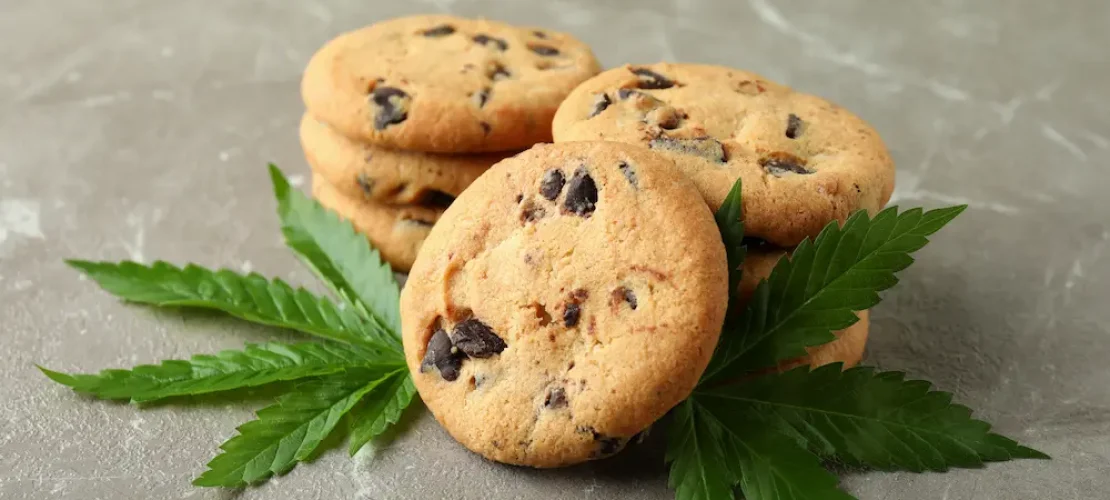
Traditional edibles like brownies, cookies, gummies, and chocolates that must be fully digested usually take the longest—anywhere from 60 to 120 minutes. These products need to be broken down completely before the cannabinoids can be absorbed, which extends the waiting period but also tends to produce longer-lasting effects.
THC Content and Product Quality
Higher doses of THC may produce noticeable effects more quickly, though this isn’t always predictable. Product quality matters too—edibles from reputable manufacturers with proper testing tend to provide more consistent experiences. Unfortunately, some products may have inaccurate labeling, with actual THC content differing from what’s stated on the package, which can affect both timing and intensity.
The Complete Edible Experience Timeline
Understanding the full arc of an edible experience helps you plan accordingly and set appropriate expectations:
0-30 minutes: Initial consumption period. You won’t feel anything yet, and this is completely normal. Resist the urge to take more during this window.
30-90 minutes: Onset phase. Most people begin to notice subtle effects during this period, though some may take up to 2 hours. You might feel a gentle shift in perception, mild relaxation, or slight changes in mood.
2-3 hours: Peak effects. This is when the experience reaches its maximum intensity. Effects can include euphoria, altered perception, increased creativity, relaxation, or for some, anxiety if the dose was too high. This peak period is when 11-hydroxy-THC levels are highest in your system.
4-8 hours: Gradual decline. Effects slowly diminish over several hours. Many users report a gentle “comedown” rather than the abrupt end that sometimes occurs with smoking. Some residual effects, such as relaxation or sleepiness, may persist even longer.
The entire experience from consumption to complete baseline can last anywhere from 6 to 12 hours depending on the dose, your metabolism, and the type of edible consumed. This extended duration is one reason why proper edible dosing is so important.
Dosing Guidelines for Safe Edible Use
The golden rule for edibles is simple but often ignored: start low and go slow. Even experienced cannabis smokers should approach edibles with caution, as the effects are qualitatively different and often more intense.
For beginners with little to no THC tolerance, 2.5 mg or less is an appropriate starting dose. This produces mild effects that allow you to gauge your response without becoming overwhelmed. If you’re looking for slightly more noticeable effects, 2.5 to 5 mg provides light euphoria suitable for social situations or creative activities.
Users with some cannabis experience might find 5 to 10 mg appropriate for moderate effects, while 10 to 15 mg is generally reserved for those with established tolerance. Doses exceeding 20 to 30 mg carry increased risk of adverse effects, including extreme sedation, anxiety, and physical discomfort, and should only be used by those with significant edible tolerance.
Interestingly, research suggests that the behavioral effects of consuming 1 mg of THC in edible form are comparable to smoking about 5.71 mg of THC. This means your smoking tolerance doesn’t directly translate to edibles—always start with a lower dose than you think you need.
The Single Most Important Rule: Wait Before Taking More
The most common mistake with edibles is consuming a second dose too soon. When effects don’t appear within 30 or 45 minutes, inexperienced users often assume the edible isn’t working and take more. This nearly always results in an overwhelming experience once both doses take effect.
If your edible hasn’t kicked in after an hour, wait. If you still don’t feel anything after 90 minutes, continue waiting. Give it the full 2 hours before even considering whether you need more. In most cases, waiting at least 24 hours before your next dose is the safest approach, allowing you to fully understand how the initial dose affected you.
Many edible “overdose” experiences—characterized by extreme anxiety, nausea, rapid heartbeat, or paranoia—result from impatience rather than an intentionally high dose. Remember: you can always take more next time, but you can’t undo what you’ve already consumed.
What Makes the Edible High Different
Beyond just lasting longer, the edible experience feels qualitatively different from smoking or vaping cannabis. Users frequently describe it as more full-bodied, more sedating, and sometimes more psychedelic. These differences stem from that 11-hydroxy-THC metabolite created in your liver, which doesn’t form in significant quantities when cannabis is inhaled.
The edible high also tends to be less predictable. While onset time varies, so does the intensity and character of effects. Factors like your current stress level, setting, expectations, and even your mood can significantly influence the experience. This unpredictability is why creating a comfortable environment and having a clear schedule are important when consuming edibles.
Choosing the Right Edible for Your Needs
The cannabis market now offers an incredible variety of edible products, each with distinct advantages. Gummies and hard candies offer precise, consistent dosing in portable, discreet formats. Baked goods like brownies and cookies provide a familiar, comforting way to consume cannabis but may have less consistent dosing across the product.
Chocolates and truffles combine indulgence with cannabis, though fat content can affect absorption rates. Infused beverages, including teas, coffees, sodas, and sparkling waters, offer faster onset times and feel more natural to consume socially. For those seeking therapeutic benefits without intoxication, CBD-dominant or balanced CBD:THC edibles provide relief from anxiety, pain, and inflammation with minimal psychoactive effects.
When selecting products, carefully read labels to understand the THC and CBD content per serving. Some packages list total cannabinoid content for the entire package rather than per piece, which can lead to accidental overconsumption. Reputable brands clearly mark individual serving sizes and provide dosing guidance for different experience levels.
Managing an Unexpectedly Intense Experience
Even with careful dosing, sometimes edibles produce stronger effects than anticipated. If you find yourself feeling uncomfortably high, remember that you’re safe and the feeling will pass. No one has ever died from a cannabis overdose, though it can certainly feel unpleasant in the moment.
Find a calm, comfortable space where you can relax. Stay hydrated with water or herbal tea, avoiding alcohol or caffeine which can intensify anxiety. Eating a snack or meal can sometimes help moderate the effects. Deep breathing exercises, listening to calming music, or watching something familiar and comforting can help you ride out the experience.
Some people find that CBD helps counteract THC’s more intense effects, so having a CBD tincture on hand can be useful. Black pepper contains terpenes that may help reduce cannabis-induced anxiety—simply smelling or chewing a few peppercorns might provide relief. Most importantly, remind yourself that the effects are temporary and will gradually diminish over the next few hours.
Additional Considerations for Edible Safety
Beyond dosing and timing, several other factors contribute to safe edible use. Store all cannabis products in child-resistant containers, clearly labeled and separate from regular food. Edibles that look like candy or baked goods pose particular risks if accidentally consumed by children or pets.
Never drive or operate machinery after consuming edibles, even if you don’t feel impaired yet. Remember that effects can continue intensifying for 2 to 3 hours after consumption. Be aware that edibles can interact with certain medications and health conditions—consult with a healthcare provider if you have concerns.
Cannabis affects everyone differently based on genetics, health status, and individual brain chemistry. What works perfectly for a friend might be too much or too little for you. Developing your ideal dose and product type requires patience and self-experimentation in safe, controlled settings.
The Benefits of Choosing Edibles
Despite requiring more patience and planning than other consumption methods, edibles offer distinct advantages. They provide the longest-lasting relief from symptoms like chronic pain, insomnia, and anxiety, making them ideal for medical cannabis patients. The absence of smoke eliminates respiratory risks associated with inhalation, offering a healthier alternative for your lungs.
Edibles are exceptionally discreet—they produce no telltale odor and can be consumed anywhere without drawing attention. The wide variety of products means you can find options that fit your taste preferences and dietary needs, from vegan gummies to gluten-free baked goods. For those who find smoking harsh or unpleasant, edibles provide full access to cannabis benefits without any throat irritation or coughing.
The precise dosing available with quality edibles also makes them excellent for those seeking consistent, predictable effects. Once you’ve identified your ideal dose and product type, you can reliably recreate positive experiences.
Frequently Asked Questions
Why do edibles take longer to work than smoking cannabis?
Edibles take longer because they must be digested and metabolized through your liver before entering your bloodstream. When you smoke or vape cannabis, it enters your lungs and bloodstream almost immediately. The digestive process for edibles typically takes 30 minutes to 2 hours, depending on factors like your metabolism, what you’ve eaten, and the type of edible.
What should I do if my edible hasn’t kicked in after an hour?
Wait at least 2 hours before considering taking more. Many people make the mistake of consuming additional edibles too soon, leading to an overwhelming experience once both doses take effect. Edibles can take up to 2 hours to reach full effect, and taking more prematurely is one of the most common mistakes first-time users make.
Do different types of edibles have different onset times?
Yes, different edibles absorb at different rates. Sublingual products like tinctures and lozenges that dissolve under your tongue work faster (15-30 minutes) because they bypass digestion. Beverages typically take 30-60 minutes, while baked goods and gummies usually take 60-120 minutes since they must be fully digested before the THC is absorbed.

About the Author: Alex Calleres
Alex Calleres has been operating multiple 20,000 square foot cannabis cultivation facilities for the past several years. Before cannabis, he worked in the oil refinery industry, and has done a lot of work on airport construction projects.
See more about the author