Understanding Cannabis Edible Options
Cannabis edibles have become one of the most popular consumption methods, with the market reaching $4.5 billion in 2024 and showing no signs of slowing down. Whether you’re exploring cannabis for the first time or looking to refine your experience, understanding the differences between gummies, chocolates, and beverages can help you make choices that align with your lifestyle and needs.
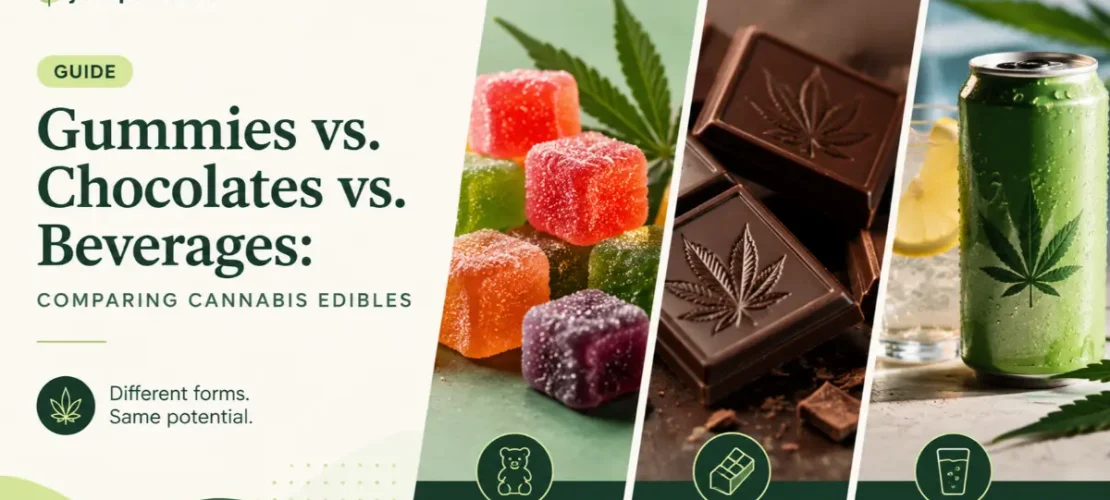
Each format offers distinct advantages in terms of onset time, duration, discretion, and overall experience. While gummies dominate the market with their consistent dosing and convenience, chocolates provide a premium experience with faster absorption, and beverages offer the quickest onset times available in edible form.
Cannabis Gummies: Precision and Convenience
Gummies have captured the lion’s share of the cannabis edibles market for compelling reasons. They offer precisely measured doses in formats that are familiar, portable, and remarkably shelf-stable. Each gummy contains a predetermined amount of THC, eliminating the guesswork that plagued earlier edible products.
The manufacturing process for quality cannabis gummies ensures even distribution of cannabinoids throughout each piece. This consistency matters enormously when you’re trying to establish your ideal dose or maintain predictable effects. Modern gummies can maintain their potency for 18-24 months when stored properly in cool, dark conditions.
Flavor variety reaches its peak with gummies. Manufacturers can create virtually any taste profile without worrying about how flavors interact with cannabis, resulting in options from classic fruit flavors to more sophisticated combinations. This variety makes the consumption experience more enjoyable and helps mask the natural taste of cannabis for those who find it unpleasant.
The primary consideration with gummies is onset time. Because they must pass through your digestive system before THC enters your bloodstream, effects typically begin 45-90 minutes after consumption. This delay requires patience and planning, especially for those accustomed to faster-acting consumption methods.
Why Beginners Prefer Gummies
New cannabis users consistently gravitate toward gummies because they provide a controlled, predictable introduction to edibles. The ability to start with low doses—often 5mg or even 2.5mg per piece—allows beginners to understand how cannabis affects them personally without overwhelming experiences. Many gummies can be cut in half for even smaller doses, making micro-dosing accessible to everyone.
Cannabis Chocolates: Premium Experience with Faster Effects
Cannabis-infused chocolates occupy the premium segment of the edibles market, combining gourmet flavors with potentially faster absorption than traditional edibles. The science behind chocolate’s effectiveness reveals why experienced users often prefer this format.
Cocoa contains natural compounds that may enhance THC absorption and increase blood flow. More significantly, when you allow chocolate to melt in your mouth rather than immediately swallowing it, some THC can absorb directly through oral tissues in a process called sublingual absorption. This creates a dual-phase effect: initial absorption through mouth tissues followed by traditional digestive absorption.
The fats naturally present in chocolate serve another important function—they help your body absorb cannabinoids more efficiently. THC is fat-soluble, meaning it binds readily to the lipids in chocolate, potentially increasing bioavailability compared to other edible formats.
Chocolate edibles typically produce effects within 30-60 minutes, notably faster than gummies but still requiring more patience than inhalation methods. The duration tends to be moderate, lasting 3-6 hours, which makes chocolates ideal for afternoon or evening use when you want sustained effects without committing to the longer duration gummies provide.
Dosing Flexibility with Chocolate
Quality cannabis chocolate bars are typically scored into sections, each containing a specific amount of THC. This design allows users to break off precisely the dose they want, whether that’s a small square for mild effects or multiple pieces for stronger experiences. This flexibility appeals to users who want control over their consumption without purchasing multiple products at different potencies.
Cannabis Beverages: The Fastest-Acting Edible Option
Cannabis beverages represent the newest and fastest-growing category in the edibles market. While they currently hold a smaller market share compared to solid edibles, the segment is projected to reach $6 billion by 2032 as technology improves and consumers discover their unique advantages.
Most quality cannabis drinks use nano-encapsulation technology that breaks THC molecules into tiny, water-soluble particles. This innovation dramatically reduces onset times because the smaller molecules can be absorbed through your mouth and stomach lining rather than requiring complete digestion. Many users report feeling effects within 15-30 minutes of consumption.
The social aspect of cannabis beverages shouldn’t be underestimated. Drinks feel more like traditional beverages than medicine, making them perfect for gatherings, dinners, or any situation where you want discretion. The familiar act of sipping a beverage integrates seamlessly into social settings without drawing attention.
Dosing control becomes more intuitive with beverages because you can consume them gradually. Unlike eating half a chocolate bar or gummy, it’s natural to sip slowly, assess how you’re feeling, and decide whether to continue. This real-time titration helps prevent overconsumption, particularly for users still establishing their ideal dose.
Considerations for Cannabis Drinks
The main limitations of cannabis beverages relate to storage and shelf life. Most require refrigeration and have shorter expiration dates than solid edibles—typically measured in weeks or months rather than years. Once opened, beverages should be consumed relatively quickly to maintain potency and prevent spoilage. Additionally, the duration of effects tends to be shorter with beverages, typically 2-4 hours compared to 4-8 hours with gummies.
Comparing Onset Times and Duration
Understanding how quickly each format takes effect and how long those effects last helps you plan your consumption around your schedule and activities. These factors vary based on individual metabolism, but general patterns hold true across most users.
Cannabis beverages offer the fastest onset at 15-30 minutes, making them ideal when you want relatively immediate effects. Chocolates fall in the middle range at 30-60 minutes, providing a balance between speed and duration. Gummies typically require 45-90 minutes before effects begin but compensate with longer-lasting experiences.
Duration follows an inverse pattern: beverages provide 2-4 hours of effects, chocolates last 3-6 hours, and gummies can continue affecting you for 4-8 hours or more. Your intended use should guide your choice—longer-lasting gummies work better for sleep or all-day symptom management, while shorter-duration beverages suit social occasions or times when you want effects that don’t extend into the next day.
Matching Edible Type to Your Experience Level
Your familiarity with cannabis significantly impacts which edible format will provide the best experience. Complete beginners benefit most from the predictability and precise dosing of gummies, which allow for cautious experimentation with minimal risk of overwhelming effects.
Intermediate users who understand their tolerance often graduate to chocolates, appreciating the faster onset and more sophisticated consumption experience. The moderate duration and premium flavors make chocolates appealing once you’re confident in your dosing.
Experienced consumers frequently prefer beverages or higher-dose options across any format. The quick onset of drinks appeals to users with established tolerance who want to gauge their experience in real-time. These users also tend to be more comfortable with the shorter shelf life and storage requirements that beverages demand.
Flavor Profiles and Taste Experiences
Taste matters more than many people initially realize. An unpleasant edible can turn consumption into a chore rather than an enjoyable experience, affecting your relationship with cannabis generally.
Gummies offer the widest variety of flavors, from classic fruit options to creative combinations that completely mask cannabis taste. The chewy texture and sweet coating make them enjoyable to eat independent of their cannabis content.
Chocolates provide the most sophisticated taste profiles, with quality products rivaling artisanal chocolates. Dark chocolate, milk chocolate, and specialty combinations with nuts, fruits, or spices create genuinely gourmet experiences. The natural bitterness of cocoa can complement cannabis flavors rather than simply masking them.
Beverages range from simple fruit-flavored options to complex craft sodas, teas, and even coffee drinks. The liquid format allows for refreshing experiences that solid edibles can’t replicate, particularly appealing during warm weather or physical activities.
Storage Requirements and Shelf Life
Proper storage affects both the longevity and potency of your cannabis edibles. Different formats have vastly different requirements that may influence your purchasing decisions.
Gummies excel in shelf stability, lasting up to two years when stored in cool, dark, dry conditions. They’re also the most travel-friendly option—discrete, stable, and unlikely to create messes. No refrigeration required means you can keep them in various locations without concern.
Chocolates need cooler storage to prevent melting and maintain texture, though they don’t require refrigeration in most climates. Properly stored chocolate edibles typically last 6-12 months, though quality may decline faster in warm environments. The bloom that appears on chocolate stored improperly doesn’t affect potency but can impact appearance and texture.
Beverages have the shortest shelf life and most demanding storage requirements. Most need refrigeration and should be consumed within weeks or months of purchase. Once opened, drinks should be finished within days to maintain both potency and taste quality.
Cost Considerations and Value
Price per dose varies significantly across formats, and the best value depends on your consumption patterns and priorities. Gummies typically offer the best cost-effectiveness for occasional users due to their long shelf life and zero waste potential. Buying in bulk or variety packs further reduces per-dose costs.
Chocolates command premium prices but justify the cost through quality ingredients, faster effects, and superior taste experiences. For users who value these attributes, the additional expense represents worthwhile investment rather than unnecessary markup.
Beverages cost more per dose but provide unique benefits that certain situations demand. The convenience factor and social acceptability can justify higher prices when these attributes matter most to your experience.
Making Your Choice: Key Decision Factors
Selecting between gummies, chocolates, and beverages ultimately depends on several personal factors. Consider your experience level first—beginners should prioritize the safety and predictability of gummies, while experienced users might prefer the faster effects of chocolates or beverages.
Your lifestyle and consumption context matter significantly. If you travel frequently or want products ready whenever needed, shelf-stable gummies make the most sense. For social occasions, beverages provide the most natural consumption experience. When you want to treat yourself to a premium experience, quality chocolates deliver.
Desired onset time and duration should match your activities. Morning consumption might favor shorter-duration beverages, while evening use could benefit from longer-lasting gummies. Chocolates offer middle-ground flexibility that works across various situations.
Budget considerations are legitimate—regular users who want the best value typically benefit from buying gummies in bulk, while occasional users might prefer purchasing smaller quantities of premium chocolates or trying beverages for special occasions.
Combining Different Edible Types
There’s no rule requiring you to choose just one format. Many experienced users maintain a selection of different edible types, selecting the appropriate option based on the specific situation. Keeping gummies for consistent daily use, chocolates for faster effects when needed, and beverages for social settings provides maximum flexibility.
This approach does require careful attention to your total consumption and cumulative dosing. When switching between formats, remember that onset times differ significantly—taking a gummy and then a beverage an hour later thinking the gummy “isn’t working” can lead to unexpectedly strong combined effects once both kick in.
Frequently Asked Questions
How long do cannabis gummies take to work compared to beverages?
Cannabis gummies typically take 45-90 minutes to take effect as they digest through the stomach. Beverages may work slightly faster, often within 30-60 minutes, because liquids are absorbed more quickly. Both offer longer-lasting effects than inhalation methods.
Are cannabis chocolates stronger than gummies?
Cannabis chocolates aren’t inherently stronger than gummies—potency depends on the THC content per serving, not the product format. Both are labeled with precise dosing information. The difference lies in absorption rate and personal preference, not strength.
Which type of cannabis edible is best for beginners?
Gummies are often recommended for beginners because they offer precise, pre-measured doses in small increments (typically 5-10mg THC per piece). They’re easy to divide for micro-dosing and have consistent effects. Start low with any edible format and wait at least 2 hours before consuming more.

About the Author: Alex Calleres
Alex Calleres has been operating multiple 20,000 square foot cannabis cultivation facilities for the past several years. Before cannabis, he worked in the oil refinery industry, and has done a lot of work on airport construction projects.
See more about the author